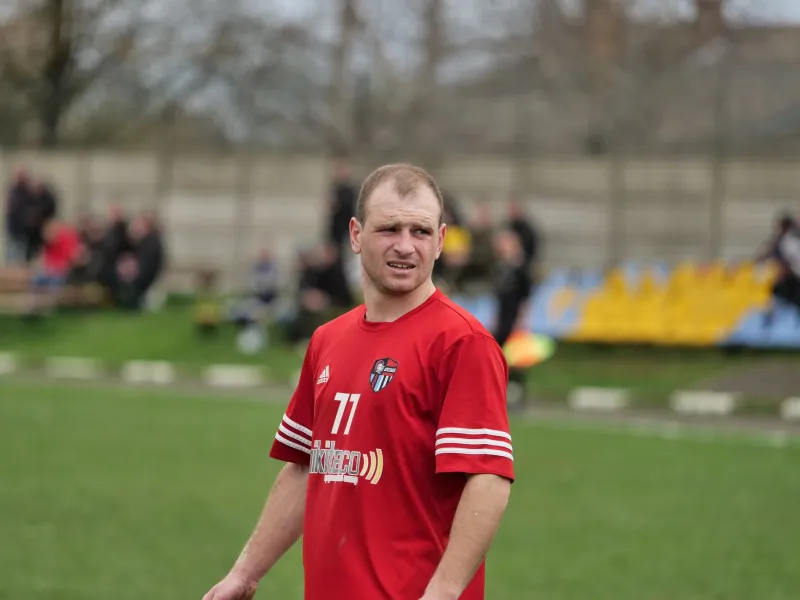
The Armband Is a Conversation: A Matchday With HT FC’s Captain

Callum Reid arrives at the ground at 9:10am, which is early enough to see the frost still holding on to the shaded strip behind the tea hut. His kit bag goes down on the bench, his boots come out, and the armband stays in the side pocket where it has lived since August. At HT FC, the captaincy is not a costume. It is a set of small jobs that start long before anyone tosses a coin.
The Armband Lives in the Side Pocket
Reid is 27, a centre-half by trade and a midfielder when the squad needs one, and he has been captain since the start of the 2026/27 season. He is not the loudest voice in the changing room. He is the one who checks the team sheet twice, texts the two youngest lads about lifts, and remembers that the assistant referee prefers to be called by his first name.
“People think it is about pointing and shouting,” he says. “Most of it is just making sure nobody is guessing. If a young player knows where he is supposed to be and who is next to him, he can actually play.”
That is the first lesson of the day. The armband is not on his sleeve yet, but the role is already ticking over.
The Coin Toss Is the Easy Bit
By 2:05pm, the warm-up is done and the teams are called together. Reid walks out with the opposition captain, a broad-shouldered forward who looks like he has done this a hundred times. The referee is young, maybe 20, and Reid makes a point of shaking his hand properly and asking his name before the toss.
The coin goes up. HT FC win it. Reid chooses to switch ends, because the low sun is already dipping behind the main stand and the visitors will have to look into it. It is not a genius call. It is the sort of thing a captain notices when he has played here for five seasons.
Then comes the team-sheet handshake with the opposition manager, the quick nod to the volunteers by the dugout, the check that the water bottles are behind the goal. None of it makes the highlights. All of it makes the afternoon run.
Standards Before the Whistle
HT FC are a young side this year. There are three teenagers in the matchday squad and two more who have only just turned 20. That changes the captain’s job. Reid is not managing egos so much as managing temperature.
One of the young wingers is late to the warm-up by four minutes. Reid does not bellow across the pitch. He walks over, puts an arm around him, and says something short. The winger nods, does two quick sprints, and is ready. Later, Reid will say that the lad had been waiting for a bus that did not come. The standards still matter. The context matters too.
“You cannot just tell a 19-year-old to be more professional and leave it there,” he says. “You have to show him what professional looks like at this level. That means being on time, doing the small stuff, and not losing your head when a decision goes against you.”
Forty-Five Minutes of Small Messages
The first half is scrappy. HT FC go behind after a corner, equalise through a deflected shot, and spend long spells talking to each other rather than at each other. Reid is in the middle of it, organising the back line, pointing at runners, and asking the referee a question rather than telling him he is wrong.
That is a captain’s real work at grassroots level. There is no fourth official to manage. There is no VAR to appeal to. There is a referee trying to do a difficult job and a group of players who are emotionally invested in every throw-in. Reid’s job is to keep that from spilling over.
When a foul goes against HT FC midway through the half, two players crowd the referee. Reid arrives, holds up a hand, and pulls them away. “We will speak to him at half-time,” he says. “Not now.” It is not a heroic moment. It is a useful one.
Half-Time: Less Team Talk, More Temperature Check
The manager does the talking at half-time. Reid does the listening. While the coach sketches out a change in shape on the whiteboard, the captain moves around the room with a crate of water, checking on a knock, asking the goalkeeper if he is seeing the ball well, and telling the young winger to take one touch before he runs.
Then he speaks, briefly. “First ten minutes, we keep it simple. If we are going to lose the ball, lose it forward. And talk — I cannot hear you from where I am.”
It is not a speech. It is a reminder. The players nod. The tea goes cold. HT FC go back out.
The Last Twenty and the Quiet Word
The second half is tighter. The visitors sit deeper. HT FC push. Reid wins a header, takes a knock to the ribs, and gets up before the physio can reach him. With 12 minutes left, he is booked for a late challenge. The referee calls him over. Reid does not argue. He says, “That is fair,” and turns away.
Later, he hands the armband to the vice-captain for the final five minutes so he can push forward. It is a small thing, but it tells the dressing room something: the captaincy is not a badge he is clutching. It is a job that can be shared.
HT FC equalise in the 88th minute. The celebration is loud and brief. Reid’s first act is to wave the players back. “Two minutes,” he shouts. “Two minutes. Stay with me.”
After the Whistle: Handshakes, Huddles, Debrief
The final whistle goes. Reid shakes hands with the referee, the opposition captain, and the visiting manager. He thanks the linesman. He claps the volunteers behind the goal. Then he gathers the players in a circle for 40 seconds, no more. “Good fight. Not perfect. We go again Tuesday.”
In the clubhouse, the debrief is short. The manager speaks first. Reid speaks last. He thanks the tea hut crew, the 50/50 sellers, and the person who stayed behind to put the nets away. He does not mention his own booking. He does mention the young winger’s second-half run.
Then he picks up a stack of cups, takes them to the bin, and sits down with a tea that has been waiting for him since full-time. The armband is back in his pocket. The conversation is not finished. It never really is.