The Cold Spray Doctrine: Inside the Quiet Calls of HT FC’s Touchline First-Aid Team
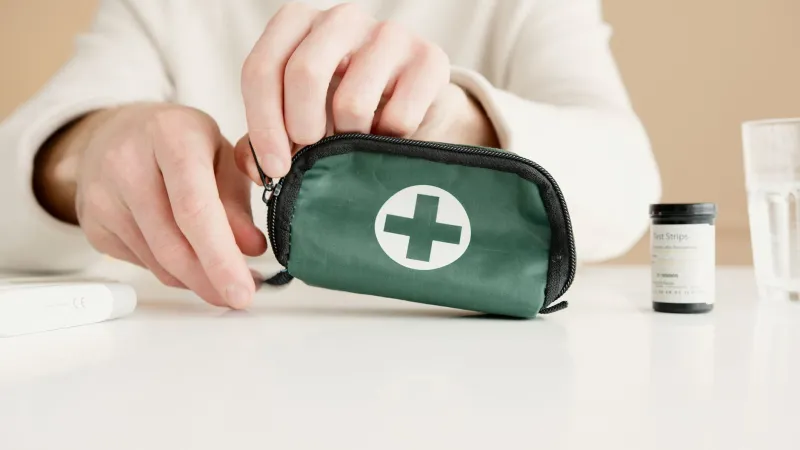
There is a particular sound that follows a late tackle at HT FC: the crowd’s sharp intake of breath, the player’s boot squeaking on wet grass, and then the zip of the first-aid bag. It is not dramatic. It is not meant to be. But it is one of the most reassuring noises on the touchline.
On a cold November afternoon in 2026/27, with the light going and the tea hut queue still holding steady, the first-aid pair are already moving before the referee has finished the whistle. One carries the bag. The other carries the gloves and the calm. Between them, they have about ninety seconds to work out whether the player on the ground is winded, winding up, or genuinely in trouble.
That is the job. Not the glory of a last-minute winner, not the tactical shuffle from the bench. Just the quiet, unglamorous business of making a sensible call in front of a few dozen people who all have an opinion.
Before the whistle, the bag
The first-aid shift does not start at the first tackle. It starts at about 1:15pm, when the bag comes off its peg in the clubhouse and gets checked like hand luggage before a long-haul flight.
Contents out. Expiry dates read. Gloves counted. Ice packs checked. Cold spray shaken. Tape, dressings, bandages, scissors, a penlight, a notebook and a pen that actually works. The defibrillator gets its own check, too, because a piece of kit you never want to use is still a piece of kit you have to know is ready.
It is not a glamorous ritual. It is the sort of thing that only becomes interesting when it goes wrong, which is precisely why the volunteers do it every week. A missing pair of gloves or a dead penlight is not a crisis in itself. But it is a small hole in a system that is supposed to be reliable.
What actually goes in the bag
The kit is practical rather than impressive. Gloves. Dressings. Sterile wipes. A sling. Blister plasters. Tape for ankles and wrists. Instant ice packs for knocks and swellings. A notebook for the injury log. A phone with the club’s emergency contacts and the nearest urgent treatment centre already saved.
The bag is not a mobile hospital and nobody pretends it is. HT FC’s touchline team are volunteers, not physios. They can clean and cover a cut, support a joint, cool a knock and make a judgement about whether a player should carry on. They cannot diagnose a ligament tear or tell you whether a hamstring is a two-week job or a two-month one. That is for the medics at the urgent treatment centre, the GP, or the NHS 111 line.
Knowing where that line sits is part of the craft. The bag is there to help, not to heroically overreach.
The two questions
Every touchline decision comes down to two questions. Is it safe? Is it sensible?
The first is medical. Can the player bear weight? Is the joint stable? Are they alert, talking sense, moving everything they should be moving? The second is more human. Does this player actually need to go back on, or do they want to go back on because the score is 1–1 and there are three minutes left?
That is where the volunteer has to be the adult in the conversation. Players will bargain. Managers will hover. Supporters will offer advice from thirty yards away. The first-aid team’s job is not to win a popularity contest. It is to make the call that keeps a player safe and, just as importantly, keeps the game in a fit state to carry on.
Most knocks at this level are not dramatic. Ankles, knees and hamstrings do most of the damage, and cold weather does not help. A lot of players hobble off, get iced, and are back in training by Tuesday. But the log tells you that the pattern is rarely random. The same names have a habit of appearing with the same complaints, and the same pitches have a habit of producing the same sort of falls.
The log is the quiet superpower
After the game, the notebook becomes data. Time of injury. Mechanism. Area of the body. What was done. Whether the player went back on. Whether they were referred on. It is not a medical record and it does not get published. But it does get read by the people who plan the season.
If the log shows a run of ankle knocks in a particular month, it is worth asking whether the warm-up is long enough for the conditions. If the same player keeps turning up with tight calves, it is worth a quiet word. If a pitch is producing more slips than usual, the grounds team can hear about it without anyone pointing fingers.
This is the stats-aware bit that never makes the match report. Not expected goals. Not possession percentages. Just a steady record of what actually happened to the people playing the game.
Training, and knowing the limits
HT FC’s first-aid volunteers are not thrown in cold. The club expects them to have a recognised qualification — Emergency First Aid at Work, the FA’s first-aid course, or an equivalent — and to refresh it. Scenario nights with the coaches help, too: a dummy collapse, a fake ankle roll, a player who says they are fine when they are clearly not.
The best training is repetitive and a bit boring. It builds the kind of memory that works when the adrenaline is up and the light is going. The worst thing on a touchline is a volunteer who has to think about where the dressings are.
The other part of the job is knowing when to stop. A volunteer who is unsure should say so. A player who cannot put weight on a leg should not be talked into ‘running it off’. The quiet reassurance of a well-stocked bag is real, but it is not a substitute for proper medical advice.
The zip you want to hear
By full-time, the bag is usually a bit lighter and a bit messier. The ice packs have done their work. The notebook has a few more lines. The volunteers pack up, hand back the gloves, and head for the tea hut before the queue gets ridiculous.
Nobody claps them. Nobody puts them in the match report. But every player who has ever gone over on an ankle in the 90th minute knows the feeling of seeing that bag arrive. It is not about drama. It is about someone being ready, knowing what they are doing, and being willing to make the call.
That is the cold spray doctrine. Quiet, practical, and absolutely essential to a proper Saturday.