The Pitch Says Maybe: HT FC's Cold-Weather Matchday Playbook

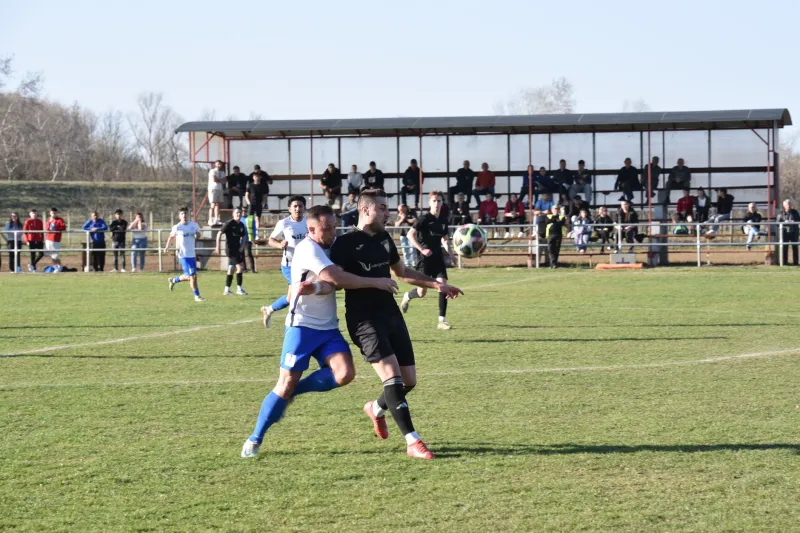
Photo by Photo by Andre Koch on Unsplash on Unsplash
On a morning like this — 8 November, the first real bite in the air, the tea hut queue already looking like a survival strategy — HT FC's matchday starts before most supporters have found their gloves. Winter football at grassroots level is not just a test of the players. It is a test of the pitch, the volunteers, the kit bag and the club's ability to make a sensible call before 9am.
This is the HT FC cold-weather playbook: part checklist, part touchline folklore, and part reminder that a fixture getting over the line is often a minor community miracle.
The 9am Inspection Is Not a Formality
Pitch inspections get a reputation as box-ticking, but on a cold Saturday they are the whole matchday in miniature. The referee walks the surface, checks the goalmouths, looks at the corners and decides whether the ball is going to roll or skid or disappear into a puddle. The home club can share concerns and point out the soft spots. The referee makes the call.
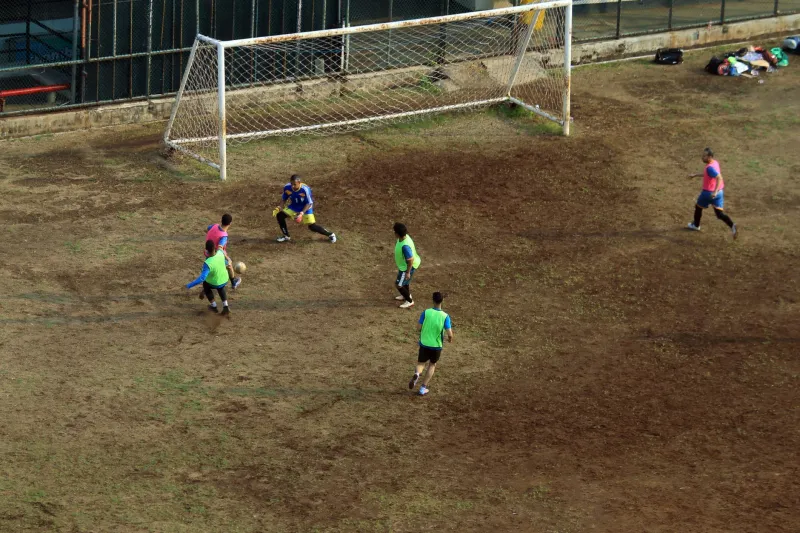
At HT FC the morning usually involves a slow lap of the pitch, a bit of prodding with a boot, and a conversation about what the forecast is doing. Frost is different from standing water. A hard top that is going to thaw by midday is not the same as a corner that has been holding water since Thursday. The pitch says maybe, and the job is to work out whether maybe is good enough.
That is why the inspection is not a single moment. It is a window. Volunteers arrive early, the covers come off, the fork work starts, and everyone keeps half an eye on the sky. A 9am nod can turn into a 10.30am worry if the sun does not show up.
Frost Covers, Forks and Buying the Game Half an Hour
Frost covers are not glamorous. They are heavy, awkward and usually stored somewhere that requires moving three bins and a spare set of goalposts to reach. But on the right morning they are the difference between a postponement and a fixture.
Then come the forks. Volunteers work the compacted areas, spread a bit of sand where it helps, and try to give the surface a chance to breathe. Nobody at HT FC is pretending to be a Premier League grounds team. The aim is simpler: buy the game half an hour. Give the frost a chance to lift. Give the referee a reason to say yes.
There is a particular kind of winter matchday atmosphere that exists before the players arrive. It is waterproofs, steam from flasks, a wheelbarrow that has seen better days and someone saying they reckon the middle might be alright by kick-off. The tea hut becomes infrastructure. The shed becomes a meeting room. The club's morning is measured in small tasks rather than big speeches.
If you turn up at 2pm, you see a playable pitch and a queue for chips. The 8am crew sees the bit before — the bit where the game is still an idea and the weather is still in charge.
The Late Kit Call and Other Small Disasters
Every winter Saturday has a late kit call. A player has forgotten their boots. A goalkeeper has brought the wrong gloves. Someone's socks are still damp from training. The kit manager's phone becomes the most important device at the club, and the answer is usually a spare pair of socks, a bin bag, a radiator and a bit of patience.
Cold weather makes the small stuff bigger. Changing rooms are colder. Tape does not stick as well. Warm-ups take longer. The kit bag needs spare socks, spare shorts, maybe an emergency pair of boots if the club has them, and a towel that is not going to be used as a flag. The practical answer is a Friday-night kit check and a Saturday-morning backup plan. The realistic answer is that someone will still ring at 12.45pm.
None of this is a crisis. It is just winter. The clubs that cope are the ones that treat the small jobs as part of the matchday rather than an interruption to it.
A Cold-Saturday Checklist for HT FC Supporters
- Check the club's official channels before you travel. If an inspection is planned, wait for the referee's decision, not a rumour in a group chat.
- Dress for standing, not sprinting. Layers, a waterproof, a hat and gloves will do more for you than a third scarf.
- Bring cash for the tea hut and the 50/50 where the card signal is patchy.
- Pack spare socks if you are a player. Dry socks are a winter sport in their own right.
- Arrive early if you are on the volunteer rota. Late volunteers make late inspections.
- Respect the referee's call. A postponement is disappointing, not a conspiracy.
- If you can fork, carry, sweep or make tea, ask. Winter matchdays are won by small hands.
Why the Cold Saturdays Still Matter
Postponements happen. Some winters are worse than others, and no amount of fork work can rescue a pitch that has given up. But when a game does get played in the cold, it tends to feel like a proper HT FC day: cold hands, hot tea, a tight game, and a few people who did a lot of unseen work to make it happen.
A 0-0 in freezing fog can be a strange kind of beautiful. A late winner in gloves and long sleeves can feel like a cup final. The football matters, of course. But the real story of a winter matchday is the club getting itself ready — pitch, kit, kettle and all — and then inviting everyone in.
That is the HT FC cold-weather playbook. The pitch says maybe. The volunteers say give us half an hour.