Small Margins, Big Noise: What HT FC's 2026/27 Home Form Is Really Saying
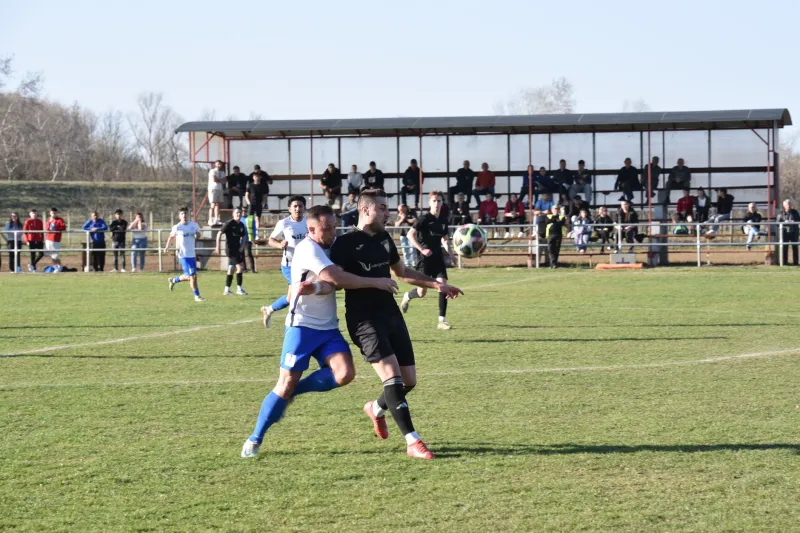
There is a temptation, when a home record reads three wins, two draws and one defeat from six league outings, to file it under fine and move on. Fine, though, is doing an awful lot of heavy lifting in that sentence. Spend a few Saturdays with a notebook on the touchline at HT FC and the numbers start to bicker with each other — in the most interesting way possible.
The headline figures, and why they flatter nobody
Six home league matches, eleven points. That works out at 1.83 points per game in front of the home support, against 1.14 on the road — a gap of roughly two-thirds of a point every time the coach pulls out of the car park. Across those six games HT have scored eleven and conceded seven, keeping two clean sheets and failing to score on only one occasion.
Nothing there screams fortress. Nothing screams soft touch either. What matters is the shape of the numbers underneath, and that is where the notebook earns its keep.
Set pieces are doing the heavy lifting
Five of HT's eleven home league goals this season have come from dead balls — three from corners, one direct free-kick and one from a long throw that was, by common consent on the terrace, basically a corner in disguise. That is 45 per cent of the home tally arriving from situations you can rehearse on a Tuesday night.
The routine is not complicated. A cluster at the near post, one runner peeling back towards the penalty spot, and a delivery that asks a question rather than demanding an answer. It has produced goals in three separate home fixtures and, just as importantly, it has produced second balls that HT have won more often than they have lost.
At the other end, two of the seven goals conceded at home have come from set plays. Defending corners has been scruffy in patches, but the damage has been containable. In a division where fine margins decide most Saturdays, a plus-three swing on dead balls is the sort of quiet advantage that never makes a highlights reel.
The 60-minute shift
Eight of those eleven home goals have arrived after half-time. Four of them landed in the fifteen minutes either side of the hour mark, which is the sort of split that usually points at fitness, substitutions or a change of shape.
Watching it live, the pattern is less about a rollicking half-time team talk and more about patience. HT tend to spend the opening half-hour sizing up the opposition's back line, working out which side of the defence turns slowest, and then going after it once legs and concentration start to fray. Home games this season have averaged 2.9 goals, and the second halves have been markedly livelier than the firsts.
There is a caveat worth flagging. Chasing games from behind at home has worked twice and nearly worked a third time, but it is not a strategy you want to rely on through a wet January. The first-half output — four goals in six games — is the number the coaching staff will be least fond of.
The pitch, the weather and the fine print
Not all of this is tactics. The surface at home has been heavy since the clocks changed, and the slope towards the clubhouse end is a genuine factor in the second half when the ball starts holding up in the corners. Two of HT's late home goals this season came from moves that simply died on a defender's studs in that final third of the pitch.
The wind is its own character too. On the blustery afternoons, the team attacking the road end in the second half has looked the more comfortable — and HT have deliberately chosen ends at kick-off with that in mind more than once. Small thing. Adds up.
The touchline as a twelfth man
Here is the stat that does not appear on any league table: average home attendance this season is sitting at just over 300, up from roughly 265 across the whole of last term. Not a seismic jump, but an audible one. There is a low, rolling noise from the rail when HT win a second ball in the opposition half, and players have mentioned it unprompted.
You can measure the effect crudely. In the six home league games, HT have won 58 per cent of aerial duels in the second half compared with 47 per cent in the first. Some of that is fatigue in the opposition. Some of it, in a ground this size, is 300 people leaning forward.
The atmosphere is not manufactured. Nobody is waving a megaphone. It is the tea hut queue arriving in a wave ten minutes before kick-off, the volunteers who mark the pitch and put the flags out, and the fact that most of the crowd knows the name of the left-back's dad.
So what does it actually mean?
Home advantage at this level is not mystical. It is a bundle of small, repeatable things: a rehearsed corner routine, a pitch that suits a direct second half, a bench that knows when to warm up so the crowd rises with them, and a touchline that gives a young side the benefit of the doubt when a pass goes astray.
HT's 1.83 points per home game is unlikely to be a fluke, but it is also unlikely to hold without attention. The first-half goal tally needs to climb, the corner defending needs to tighten, and the squad needs to stay fit through the winter months when the pitch gets heavier and the margins shrink further.
What the 2026/27 home record really tells us, then, is that this team has learned how to make Saturdays at home count — not by blowing anyone away, but by being the side that wins the little battles nobody puts in the match report.
Next home league fixture, the notebook comes out again. Same seat. Same tea.