Ink, Ads and Anoraks: The Matchday Programme Desk That Keeps HT FC's Season on Paper

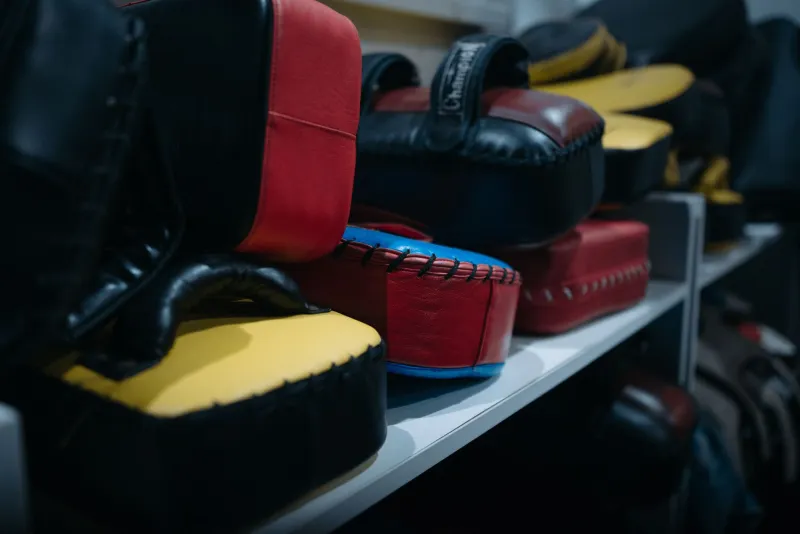
Photo: DikkeFcWarriors, CC BY 4.0, via Wikimedia Commons
On a damp Saturday in November, the most important queue at HT FC is not always the one at the tea hut. Sometimes it is the short, slightly chaotic line at the programme table: a fold-out table, a cash tin, a stack of copies weighed down by a spare boot, and a volunteer who knows exactly which regulars want theirs before kick-off.
The price is still £2. In a contactless world, that feels almost quaint. But the HT FC matchday programme is not a museum piece. It is a working part of the club's Saturday routine — part team sheet, part local noticeboard, part record of a season that would otherwise vanish into a group chat.
A two-pound ritual in a contactless world
Ask supporters why they buy it and the answers are rarely grand. Some want the teams. Some want the 50/50 number without squinting at a phone. Some buy it because their grandson is on the under-12s page, or because their builder has an advert on page 14. A few buy it out of habit, the same way they check the weather before leaving the house.
That mix matters. The programme is not competing with a glossy league publication. It is competing with a free team sheet, a phone screen and the simple fact that people are busy. The fact it survives is down to a small group of volunteers who treat it as part of the matchday, not an optional extra.
At HT FC, the programme desk usually opens about an hour before kick-off. The copies arrive in a cardboard box, sometimes still warm from the printer. The first job is not selling — it is checking. Has the fixture name been spelled right? Are the squad numbers correct? Did the advert for the local café make it in? There is a quiet panic to those final checks that most supporters never see.
Who actually makes the thing?
A matchday programme looks like it appears by magic. It does not. Behind the £2 cover is a volunteer editor, a handful of contributors and a printer who understands that grassroots deadlines are more of a suggestion than a rule.
The editor is the hub. They chase the manager for a note, the secretary for the league table, the photographer for a usable image, and the junior section for a match report that has been promised since Tuesday. They also handle the awkward bits: the advertiser who wants a logo swapped, the supporter who wants a birthday mention, the last-minute fixture change that makes page 3 slightly wrong.
Contributors come and go. A retired supporter writes the history column. A parent takes photos. A student does the design on a laptop in the clubhouse. Someone's uncle proofreads it and finds three typos nobody else spotted. The programme is better for that mix. It reads like a club, not a corporate brochure.
The adverts are part of the story
The adverts are easy to skip if you are only after the line-ups. But they are one of the most grassroots things about the whole production. A local builder, a café, a physio, a garage, a dog groomer — these are not abstract brands. They are the businesses that sponsor a match ball, put a team photo on the wall and know the committee by first name.
In 2026, local advertising is not getting easier. Budgets are tight, attention is split and a quarter-page ad in a matchday programme is not going to rival a social media campaign. Yet the programme still offers something specific: a captive, local audience on a Saturday afternoon, and a physical presence in the clubhouse that a phone notification cannot quite match.
The club is careful about it. Adverts are kept local where possible, designed to fit the page and priced so a small business can justify it. That is not just commercial housekeeping. It is the difference between a programme that feels like a community noticeboard and one that feels like a leaflet drop.
What gets saved when the final whistle goes
Here is the quiet value of the matchday programme: it remembers things. Not in a grand, archival sense — more in the way a shoebox of old tickets remembers a holiday. The team sheet, the scorers, the attendance, the half-time score, the substitute who came on and changed the game. The small details that websites update and social feeds scroll past.
Future HT FC historians will not have to rely on a patchy results page. They will have programmes. They will see which local business backed the club in 2026/27, which junior team was pictured on page 9, which volunteer wrote the notes, which player was sponsored by a family friend. That is the sort of texture that gets lost when everything lives on a phone.
The club does not need to pretend the programme is a sacred artefact. It is a £2 booklet. But it is also a time capsule with a staple in it. The fact it is cheap, local and slightly imperfect is exactly what makes it worth keeping.
The digital matchday is not the enemy
The programme has not survived by ignoring the internet. HT FC's digital output does the fast stuff: fixture changes, live scores, photos, the occasional celebratory post. The programme does the slower stuff: the preview, the notes, the adverts, the page you can read in the clubhouse with a cup of tea.
That division of labour works. Supporters do not expect the programme to break news. They expect it to be there, folded on the table, with the teams on the centre pages. The digital matchday and the paper one are not rivals. One is a sprint; the other is a Saturday afternoon.
Why the programme desk still opens
The easiest thing in the world would be to stop. Print costs rise, volunteers get tired, and every club has a thousand jobs that need doing. But the programme desk still opens because it does a job that nothing else quite does. It gives people something to hold, something to check, something to keep.
At HT FC, that is worth £2. Not because the paper is expensive, but because the routine is. The queue, the cash tin, the quick chat about the weather, the copy folded into a coat pocket before kick-off — that is matchday. The programme is not the main event. It never was. It is the small, printed proof that the club was here, on this Saturday, in this season, with these people.
And in 2026, that is still worth queuing for.