Odd Socks, Lost Gloves and Saturday Stories: Inside HT FC's Lost Property Box
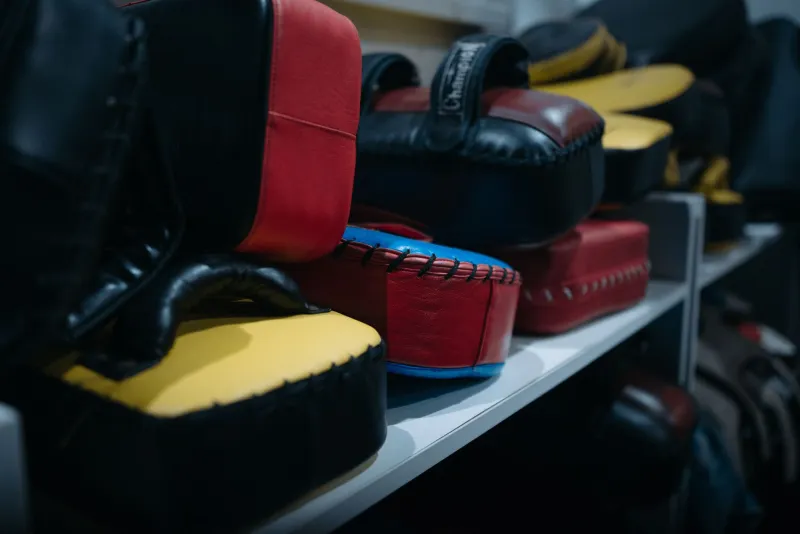
There is a plastic crate behind the tea hut at HT FC that nobody owns and everybody recognises. It is not official equipment. It is not tactical. It is the lost property box, and on a damp November matchday in 2026/27 it is doing a better job than any whiteboard at telling the story of a Saturday.
You can learn a lot from a club by what gets left behind. Boots are expected. A stray sock is normal. But a single goalkeeper glove, a shin pad small enough to belong to a mascot and a training top that has clearly been through three warm-ups and a dog walk? That is grassroots football in miniature.
So let us open the crate. Not literally — the zip is jammed — but metaphorically. Here is what HT FC's lost property says about the people, the routines and the slightly chaotic community that makes a matchday.
The single goalkeeper glove
No pair. Just one. Adult size, mud on the palm, a faint smell of orange squash and regret.
This is almost certainly the work of a junior goalkeeping session. One keeper arrives with both gloves, peels one off to tie a lace, puts it down on a bench, and then launches into a diving drill with all the commitment of a penalty shootout. The glove is forgotten until Tuesday. By then, it has been adopted by the lost property box and given a new identity as evidence.
It also tells you something about the junior section: they are busy, they are enthusiastic, and they are not yet old enough to remember where they put things. The volunteers who run those sessions do not just coach. They reunite gloves with owners, remind children about water bottles and quietly make sure nobody leaves in someone else's hoodie.
The tiny shin pad with a name in marker
This one is the real detective work. A shin pad the size of a biscuit, with a name written in black marker that has faded to a suggestion. Is it Alfie? Ollie? Something starting with A? The label was clearly applied in August with the best intentions. By November, it has the visual clarity of a doctor's prescription.
The shin pad is a reminder that junior football runs on small pieces of kit and enormous amounts of adult admin. Parents label things. Coaches collect things. Someone puts a post on the club group chat saying, does anyone know whose shin pad this is? And somewhere a child is playing in one pad and one sock because the alternative is admitting it was lost in the first place.
It is funny until you realise the volunteers are the ones doing the sorting. The lost property box is not just a crate. It is an unpaid lost-and-found service with a tea urn next to it.
The forgotten training top
There is a navy training top in the box that has been there so long it has become part of the club's fabric — literally. It was probably left after a midweek session, when the temperature dropped and everyone grabbed a coat and sprinted for the car park.
Training tops are the great forgotten item of grassroots football. They get worn for warm-ups, draped over bags, borrowed by someone who is cold and then abandoned when the sun briefly appears. This one has a faint HT FC badge and a sleeve that suggests it has been through a few seasons of good intentions.
For the volunteers who clear up after sessions, the training top is a small lesson in routine. If there is no clear peg, no named bag and no final sweep, something will always be left behind. And if the club wants fewer mystery items, it needs a system that is as simple as the problem.
The water bottle with stickers on stickers
This bottle has seen things. It has a dinosaur sticker, a faded club sticker and a label that says, simply, NOT YOURS. Which is a bold claim in a lost property box.
Water bottles are the most common item and the least likely to be claimed. Children put them down during a match, forget which one is theirs, and then deny all knowledge when a parent holds up a bottle with a slightly chewed lid. The bottle becomes a permanent resident. It is not valuable, but it is evidence of a full Saturday: hydration, chaos and a small person who was too busy playing to remember the basics.
The volunteers who check the changing rooms at the end of the day are the reason these bottles do not become a health hazard. They empty them, bag them and add them to the pile. It is not glamorous work. It is exactly the sort of work that makes a grassroots club function.
The mismatched boot and the bobble hat
In one corner of the box, there is a boot that looks like it belongs to a centre-back who has seen a wet pitch and made peace with it. There is no partner. There is also a bobble hat, which suggests at least one person underestimated a cold morning and then overestimated their ability to remember where they put it.
These are the items that make the lost property box feel like a museum of matchday weather. The boot says winter has arrived. The bobble hat says someone's nan was right. Together, they say that HT FC's Saturdays are not just about the ninety minutes. They are about the twenty minutes before, when everyone is arriving, unpacking and losing something.
What the crate really tells us
The lost property box is a small, funny, slightly smelly record of club life. It shows that the junior section is thriving, that the changing rooms are busy and that the volunteers are doing a hundred tiny jobs that nobody notices until something goes missing.
But it also shows that HT FC could do with a proper system. A labelled tub is a start. A pegboard in the changing room would help. A monthly photo on the club socials — lost property, claim by the end of the month — would reunite more items with their owners. And an end-of-season auction, with anything unclaimed cleaned up and sold for club funds, would turn the chaos into something useful.
That is the community detective work, really. Not just finding out whose glove it is. Finding a way for the club to look after its people a bit better, one labelled shin pad at a time.
Next time you are at HT FC, check the crate. Your missing glove might be in there. More importantly, the volunteers who keep it all together might be nearby, and they would probably love a hand.