Bragging Rights and Boundary Lines: A Derby Saturday at HT FC
Derby day at HT FC does not begin with the team sheet. It begins with a fixture list, a full inbox and a quiet question in the committee WhatsApp group: are we doing the usual for Mill Lane?
The usual is not a secret handshake. It is a set of small, sensible habits built up over years of local rivalry: an earlier stewards' briefing, a word with the tea hut about milk and change, a reminder to the social media volunteer that banter is fine and baiting is not. There is no laminated rulebook. There probably should be, if only so someone can wave it at the bloke who wants to bring a drum.
The Week Before: Bragging Rights and Bin Day
Mill Lane is not a faceless rival from the other end of the country. They share the junior league with us. Their under-12s have played on our pitch. At least two of their committee have stood in our tea hut when we were short-handed. That is the awkward beauty of grassroots football: you want to beat the neighbours, but you also want them to have enough subs to fulfil the next fixture.
So the build-up is deliberately boring in places. The club secretary sends the same email to both clubs: parking, changing rooms, warm-up areas, respect barriers and where the referee would like the benches. The message is not glamorous, but it cools about a dozen small flashpoints before anyone has laced a boot.
The tone on the club's channels matters too. HT FC's social media volunteer has a simple derby filter: would you be happy for the opposition secretary to read it? If yes, post it. If no, save it for the group chat. There is no coach welcome, no flare culture and no attempt to turn a local fixture into a grudge match. The nearest we get to pyrotechnics is the mulled squash in the tea hut.
Matchday: A Bigger Crowd, a Shorter Fuse
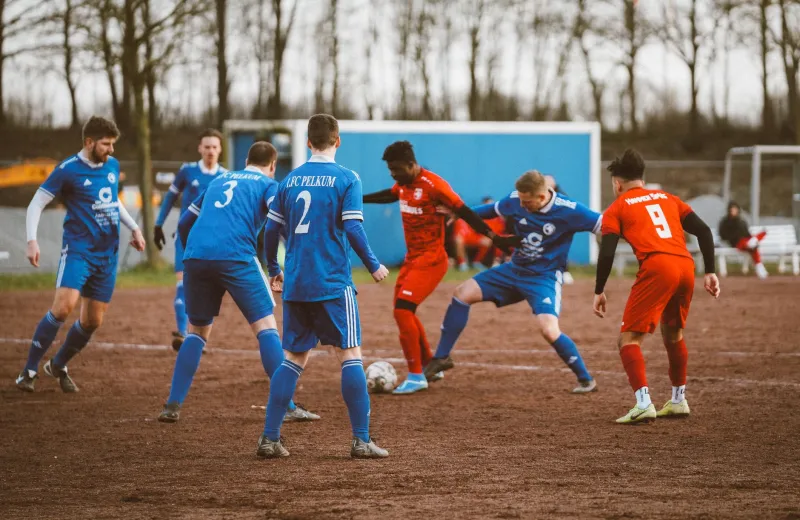
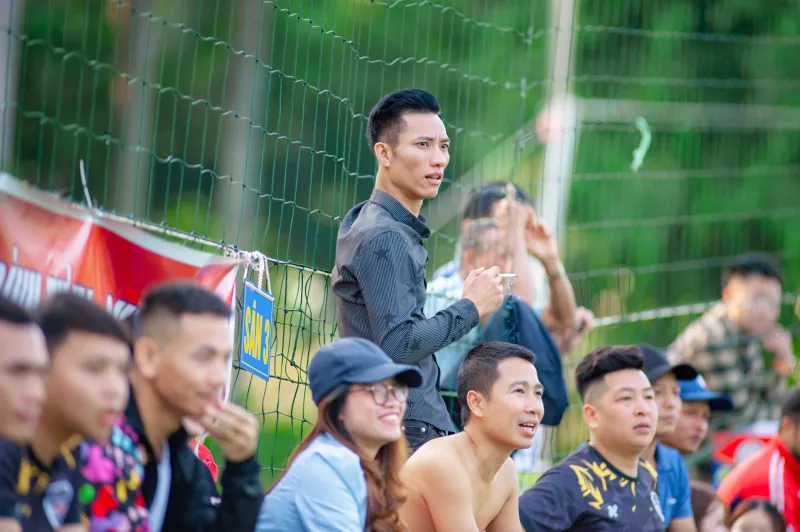
The gate tells the story before kick-off. HT FC's average home league crowd in 2026/27 has been around 214. The derby in September nudged 390, with a noticeable bump in under-16s and older faces who only appear when Mill Lane are in town. The programme sold out by 2:15. The 50/50 takings came in at just under £480, compared with a more typical £250. The tea hut ran out of sausage rolls before half-time and has since apologised to the community, or at least to the queue.
Noise is harder to measure. The club's unofficial sound check is whether the PA announcer has to pause for the cheer when the teams come out. On derby day, he does. The old main stand has a wooden floor, and when it gets going it sounds like a drum kit falling downstairs. It is not the Premier League. It is better than silence.
Discipline is the part nobody wants to talk about, which is exactly why the volunteers do. In this season's derby, the referee produced five yellow cards. HT FC's home league average in 2026/27 is closer to two. Across the last six derby fixtures, the combined yellow-card count is 21, against 13 in the same number of non-derby home games. Some of that is rivalry. Some of it is a bigger crowd, a faster game and players who know each other a little too well. None of it is inevitable.
The Touchline View: Volunteers, Stewards and the Tea Hut
Mick, who has run the turnstile on and off for years, says derby day is less about crowd control and more about reading people. 'You learn to spot the ones who've had a pint and want to be a pundit,' he says. 'A nod and a joke works better than a megaphone. Most of them are fine. They just need to know where the line is.'
Priya, who stands behind the goal with her dad, loves the noise but not the panto. 'I want it loud,' she says. 'I don't want the bloke who shouts at the linesman for breathing. There's a difference between supporting your team and making a volunteer's afternoon harder.'
That is the boundary line the club tries to hold. Players are asked to captain their own behaviour. The referee is backed by both benches. Supporters are given room to give it some welly without turning the respect barrier into a suggestion. It is not perfect. Derby days rarely are. But the aim is a match that feels big without leaving a bad taste.
After Full-Time: Handshakes, Debriefs and the Long Walk Home
When the whistle goes, the real derby work starts. Both sets of players come into the clubhouse. The 50/50 draw is made. The tea hut counts the take. The committee does a short debrief: what worked, what nearly didn't, whether the car park marshals need another body next time. Nobody is pretending the result does not matter. It matters a lot. But the club tries to make sure it is the only thing that carries into Monday.
The test is not the handshake line. It is whether the same volunteers turn up the following week to sort the kit, mark the pitch and open the gate. The rivalry is a community asset, not a grudge to be nursed. Bragging rights last until the next meeting. Boundary lines last a lot longer.